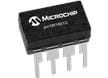


PIC18F2480-I/SP

Microchip Technology
579-PIC18F2480-I/SP
PIC18F2480-I/SP

Mfr.:

Description:
8-bit Microcontrollers - MCU 16 KB 768 RAM 25 I/O

ECAD Model:
Download the free Library Loader to convert this file for your ECAD Tool. Learn more about the ECAD Model.

In Stock: 1.790

Stock:
1.790 Can Dispatch Immediately
Factory Lead Time:
9 Weeks Estimated factory production time for quantities greater than shown.
Minimum: 1   Multiples: 1
Unit Price:
-,-- €
Ext. Price:
-,-- €
Est. Tariff:

Pricing (EUR)

Qty. Unit Price
Ext. Price
6,80 € 6,80 €

Product Attribute Attribute Value Select Attribute
Microchip
Product Category: 8-bit Microcontrollers - MCU
RoHS:  
PIC18
16 kB
768 B
SPDIP-28
40 MHz
10 bit
25 I/O
2 V
5.5 V
Through Hole
8 bit
- 40 C
+ 85 C
PIC18(L)Fxx80
Tube
Brand: Microchip Technology
Data RAM Type: RAM
Interface Type: EUSART, I2C, MSSP, SPI
Number of ADC Channels: 8 Channel
Number of Timers/Counters: 4 Timer
Processor Series: PIC18
Product: MCUs
Product Type: 8-bit Microcontrollers - MCU
Program Memory Type: Flash
Factory Pack Quantity: 15
Subcategory: Microcontrollers - MCU
Tradename: PIC
Unit Weight: 2,200 g
Products found:
To show similar products, select at least one checkbox
Select at least one checkbox above to show similar products in this category.
Attributes selected: 0

This functionality requires JavaScript to be enabled.

TARIC:
8542319000
CNHTS:
8542319090
CAHTS:
8542310000
USHTS:
8542310015
JPHTS:
8542310324
KRHTS:
8542311000
MXHTS:
8542310399
ECCN:
EAR99

Functional Safety Solutions

Microchip Technology Functional Safety Solutions offer robustness, reliability, and safety to end-products. In some application segments, these requirements are formalized and mandatory, while in others, they are implemented to differentiate the product and take the step from a good product to an excellent product. The standards for functional safety depend on the market that is targeted. Many standards support multiple levels of rigorousness, which are applied depending on the likelihood and severity of the hazard. The methods of addressing hazards range from detecting single failures and putting the system into a safe state to full redundancy, where failures should not only be detected but also corrected without any interruption or degradation of service.