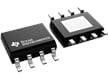








TPSM82902SISR

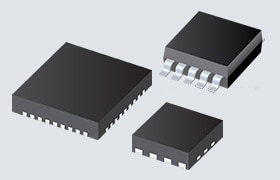
Images are for reference only
See Product Specifications
See Product Specifications
595-TPSM82902SISR
TPSM82902SISR
Mfr.:
Description:
Switching Voltage Regulators 3-V to 17-V 2-A hig h efficiency low IQ
Switching Voltage Regulators 3-V to 17-V 2-A hig h efficiency low IQ
Datasheet:
Availability
-
Stock:
-
0An unexpected error occurred. Please try again later.
-
On Order:
-
5.850Expected 04/01/20276.000Expected 11/01/2027
-
Factory Lead Time:
-
18Weeks Estimated factory production time for quantities greater than shown.
Long lead time reported on this product.
Pricing (EUR)
| Qty. | Unit Price |
Ext. Price
|
|---|---|---|
| Cut Tape / MouseReel™ † | ||
| 3,87 € | 3,87 € | |
| 2,93 € | 29,30 € | |
| 2,70 € | 67,50 € | |
| 2,44 € | 244,00 € | |
| Full Reel (Order in multiples of 3000) | ||
| 2,44 € | 7.320,00 € | |
† A MouseReel™ fee of 5,00 € will be added and calculated in your basket. All MouseReel™ orders are non-cancellable and non-returnable.
↩
Datasheet
Compliance Codes
- CNHTS:
- 8542399000
- CAHTS:
- 8542390000
- USHTS:
- 8542390090
- MXHTS:
- 8542399999
- ECCN:
- EAR99
Origin Classifications
- Country of Origin:
- Taiwan
- Assembly Country of Origin:
- Taiwan
- Country of Diffusion:
- United States